
Electrical Troubleshooting
Home Electrical Troubleshooting
Checklist
that could save
you time and money
is the switch “on” ?
Troubleshooting Electrical Outlets
Associated With Half Hots
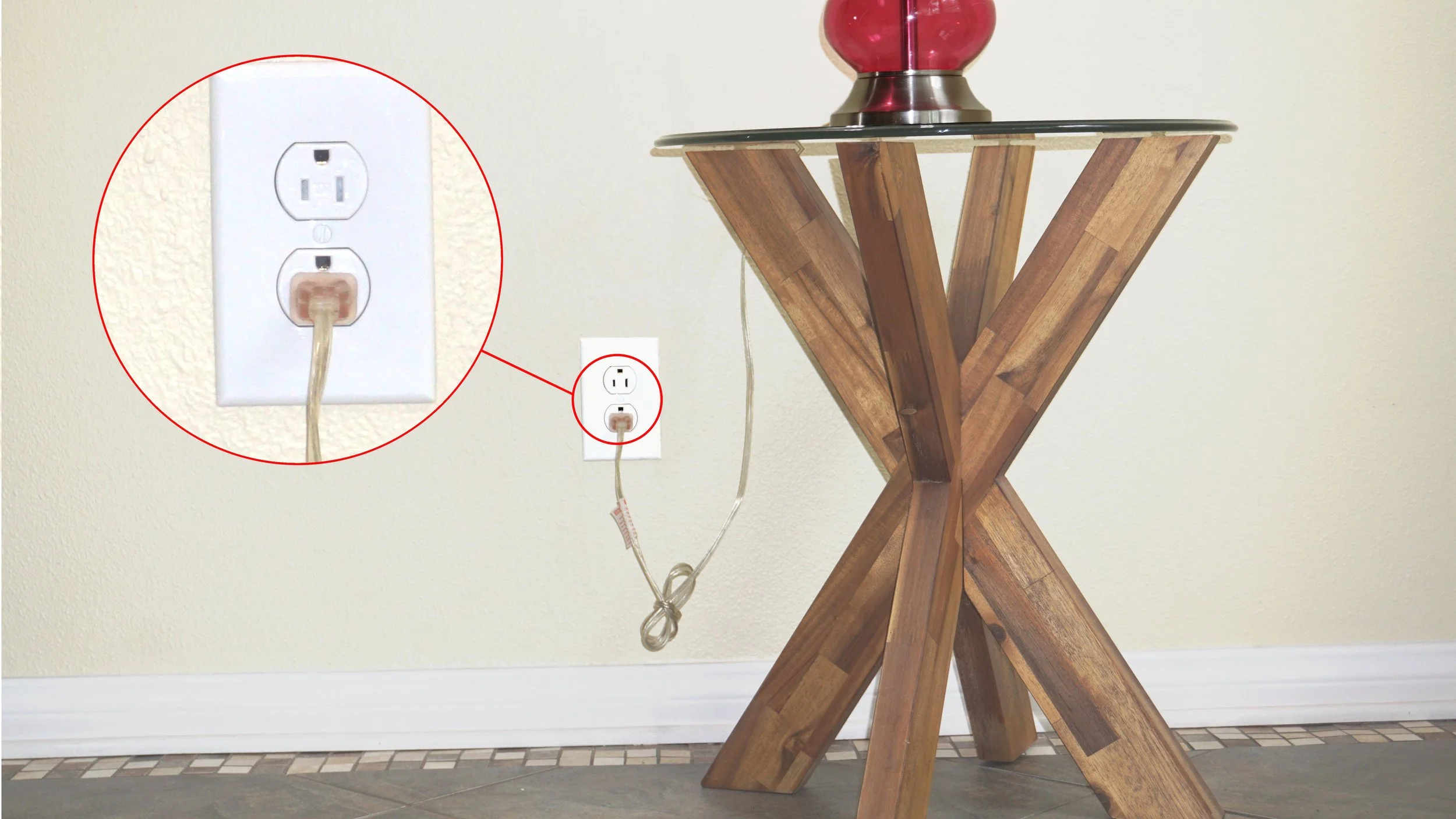
Most electrical outlets in your home are the duplex type, that means that you can plug two devices into them at one time.
A half hot is a duplex that has one half wired with constant electricity while the other half can be turned on/off by a wall switch.
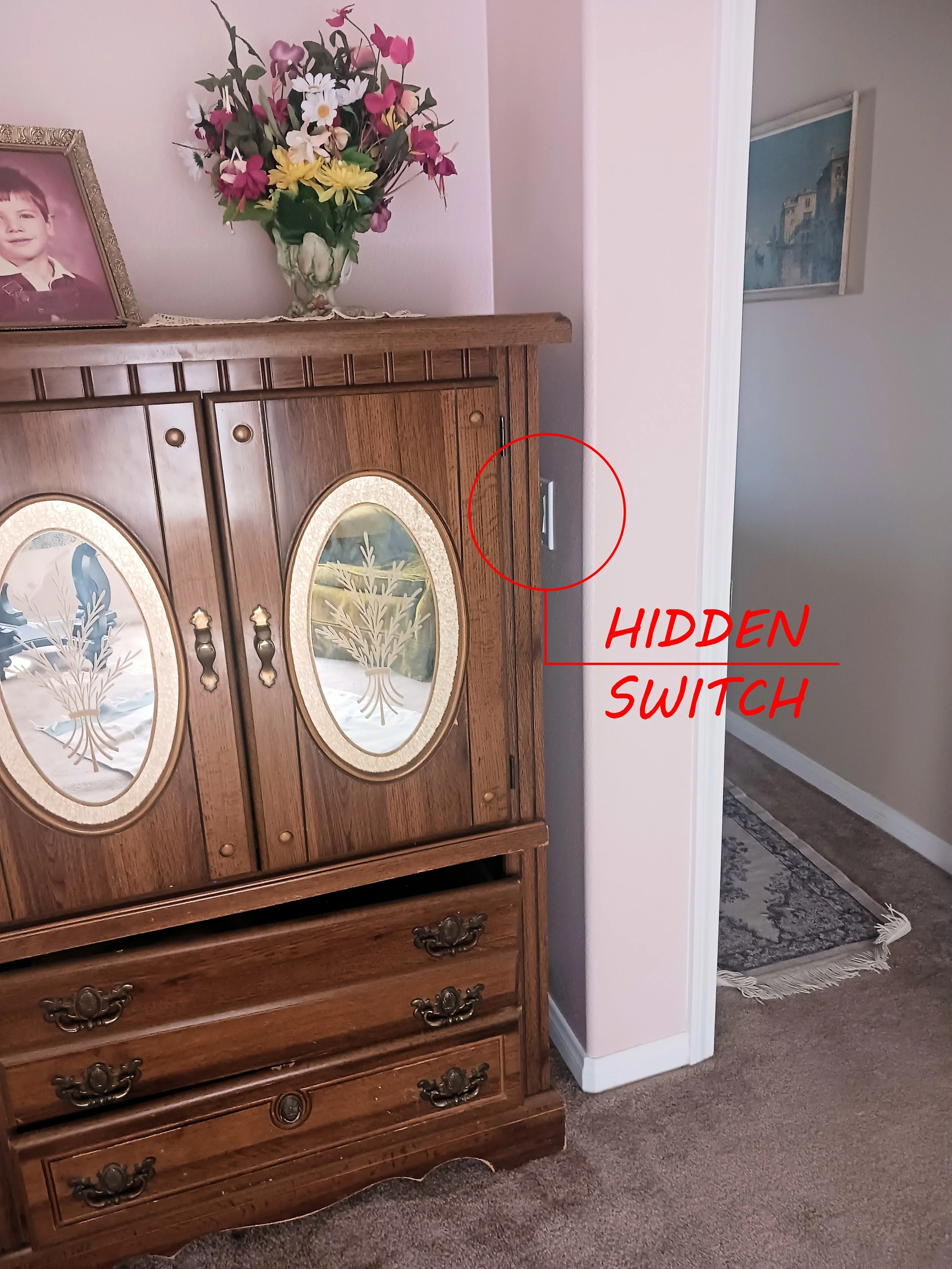
Sometimes we find that the customer has forgotten about the switch or sometimes the switch has been blocked by furniture.
Electricians sometimes identify these type outlets by installing them with the ground prong to the top.
furniture blocking switch
IS THE LIGHT BULB BURNED OUT ?
Remove the light bulb and put it in a compatible light fixture that you're sure works.
If the bulb now comes on, the electrical circuit or the light fixture is the problem.
If the bulb works but makes a rattling sound, you should replace it.
If the trouble area of power uses a dimmer or occupancy sensor to control the socket, remove the light bulb and try it in a standard socket (non-dimmed/non-occupancy controlled).
LED LIGHT BULBS
HAVE AROUND 25K HOURS LIFESPAN
INCANDESCENT BULB
AROUND 1-2K HOURS LIFESPAN

COMMON REASONS BULBS GO BAD QUICKLY :
#1 Damaged light fixture sockets
#2 Using the wrong size or type light bulb
#3 High-voltage problems in your home
#4 Incorrectly mounted fixtures or ceiling fans
#5 Using a dimmer or occupancy sensor that is not compatible with the light fixture
#6 Exposure to outdoor elements
If you’re experiencing any of these issues, our 24/7 local electrical experts at cat electric inc. can diagnose and fix them with a 100% workmanship guarantee. We handle socket repairs and replacements, ensure correct bulb types and sizes are used, identify and resolve high-voltage or wiring problems, properly mount fixtures and ceiling fans, match dimmers and sensors to fixtures, and install or weatherproof outdoor lighting to prevent element damage. Contact us any time for fast, professional service.
IS A GFCI RECEPTACLE OR GFCI BREAKER TRIPPED?
To determine whether a GFCI receptacle or a GFCI breaker has tripped, follow these steps:
VISUALLY INSPECT GFCI RECEPTACLES
Look for any GFCI outlets (often found in kitchens, bathrooms, garages, outdoors, basements).
Check the outlet face for a depressed or popped "RESET" button — a tripped GFCI often has the RESET button sticking out or the "TEST" button in a different position.
If the outlet has a small indicator light, note whether it shows the tripped condition (refer to the outlet's markings).
TRY TO RESET THE GFCI RECEPTACLE
Press the "RESET" button firmly until it clicks in. If it stays engaged and power is restored to that outlet and downstream outlets, the receptacle had tripped.
If the RESET won’t stay in or immediately trips back, do not force it — there’s likely a ground-fault or wiring issue.
CHECK A GFCI BREAKER IN THE MAIN PANEL
Open the electrical panel (use a flashlight; avoid touching live bus bars).
Look for a breaker labeled GFCI or locations such as "kitchen," "bathroom," "outdoor," etc.
A tripped GFCI breaker will be in the middle (neither fully ON nor fully OFF) or show the handle in the OFF position.
RESET THE GFCI BREAKER
Put the breaker fully to OFF, then firmly switch it to ON. If power returns to the affected circuits, the breaker had tripped.
If the breaker will not reset or trips immediately, there may be a persistent ground-fault, overload, or a faulty breaker.
ISOLATE THE PROBLEM
Unplug all devices on the affected circuit before resetting. If the GFCI resets successfully with devices unplugged, plug devices back in one at a time to find the faulty appliance.
If downstream outlets are dead but the upstream GFCI is not visibly tripped, a GFCI receptacle upstream could be controlling those outlets. Test and reset any upstream GFCIs.
SAFETY AND NEXT STEPS
Repeated tripping or inability to reset indicates a wiring fault or defective device. Shut off the circuit if unsure.
For persistent issues, or if you’re uncomfortable working at the panel or with wiring, contact cat electric inc.
If you want, we can send a technician to help diagnose the specific circuit and locate upstream GFCIs.
Ground Fault Circuit Interrupter or (GFCI) are generally installed where electrical circuits may accidentally come in contact with water. simply put, a GFCI device detects ground faults or leakage currents. So, when a person’s body starts to receive a shock the GFCI device senses this and cuts off the power before it causes injury.
GFCI devices are one of the most important safety features in and around your home.
GFCI receptacles and GFCI type breaker requirements and regulations are in place for a good reason and apply to all homes.
A properly installed (GFCI) can help
prevent electrocution.
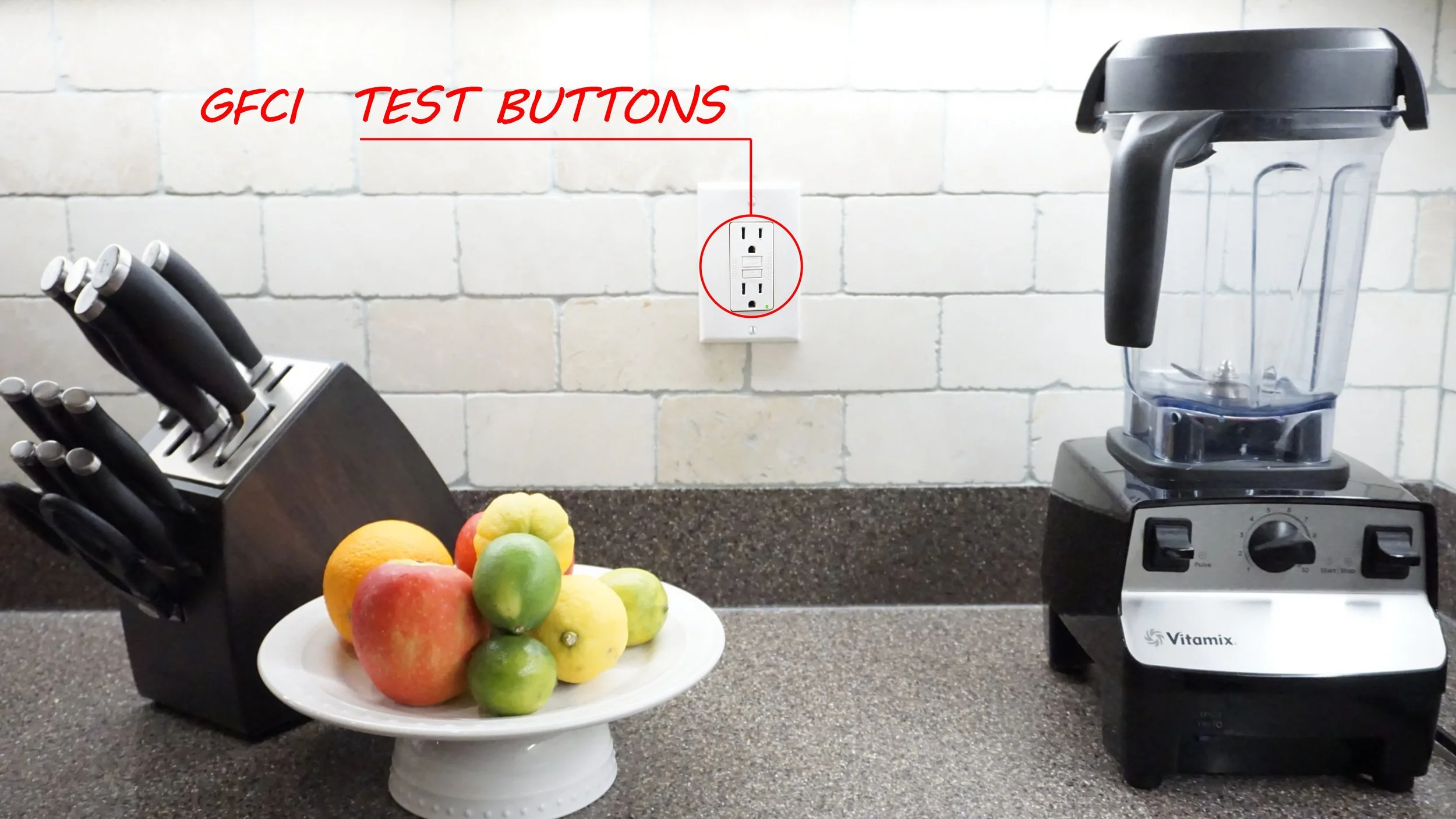
The only reliable way to check an older GFCI is to use a circuit tester that has its own GFCI test button (sold at most home centers and hardware stores). Plug in the tester and push its test button. If the power goes off, press the reset button to restore power. The instructions included with the device indicate that they should be tested monthly.
The cat electric inc. customer service team is available 24/7 if you think you would like to have a code- compliant installation
GFCI devices do require maintenance and are only
responsive when maintained.
Homeowners need to ensure that GFCI protection is installed in the kitchen, laundry rooms, bathrooms, workshop, basement, garage, swimming pools, hot tubs, outdoor outlets and fixtures, and any other areas where electricity and water may come in contact.
When troubleshooting (GFCI) Devices access to the line device may be remotely located. In some GFCI installations multiple loads may be protected by (one) device.
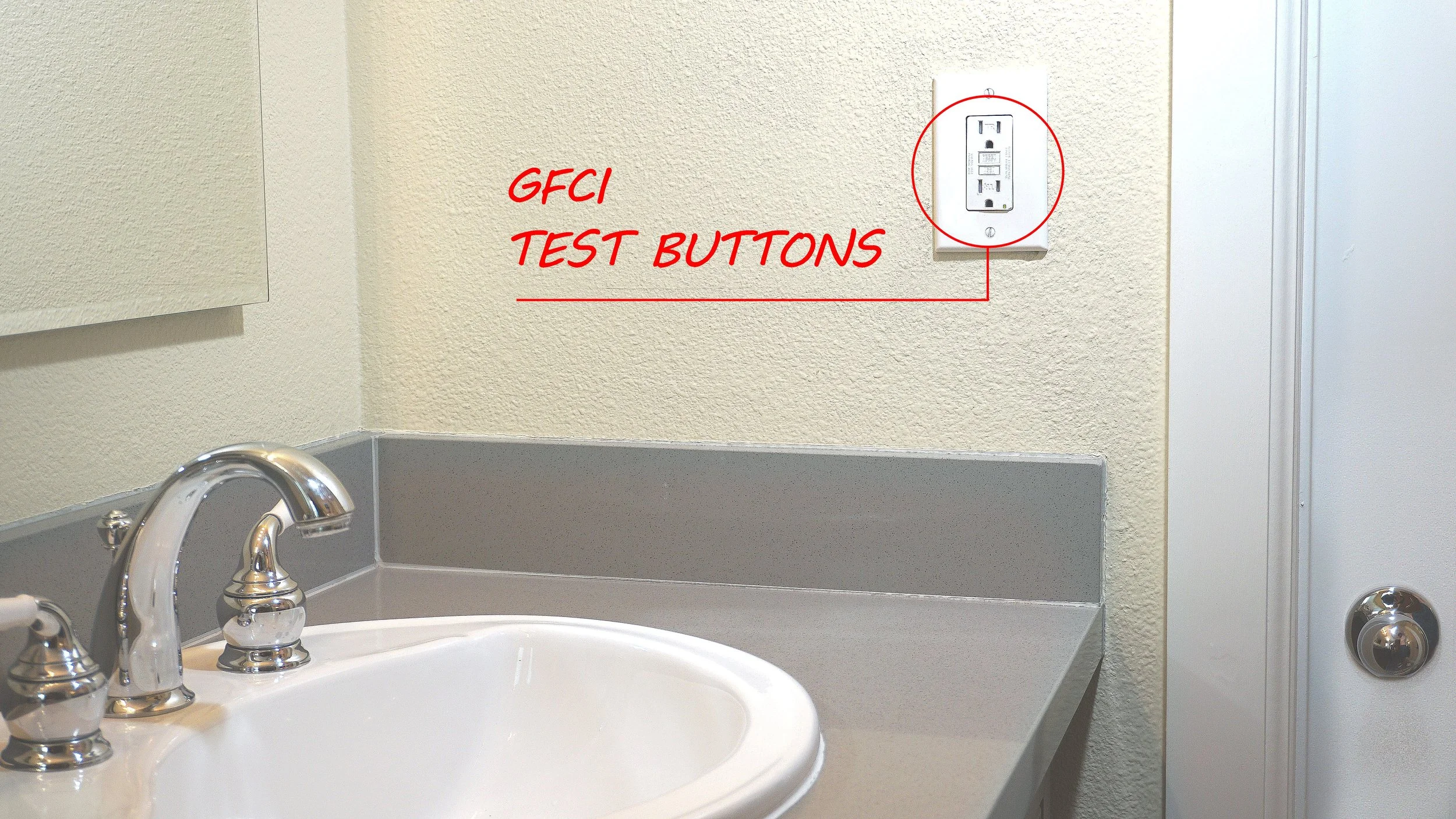
EXAMPLES OF REMOTLY LOCATED GFCI INCLUDE :
#1 A GFCI type receptacle located in one bathroom cuts power to (THREE) separate bathroom receptacles.
#2 A garage door opener receptacle may be protected by a pass-through type GFCI installed at wall switch height on the garage wall.
#3 Outside perimeter convenience receptacles may be protected by a GFCI type breaker installed within the breaker box or load center.

IS A CIRCUIT BREAKER TRIPPING OR FUSE BLOWN?
Fuses and circuit breakers, also known as over current protection devices protect your home from an electrical structure fire.
The idea is if the hot wire of an electrical circuit were to come in contact with the neutral wire, a large amount of current would flow through the circuit.
In this case the over current protection device heats up faster than the hot wire and stops the flow of current before it can start a fire.
When a fuse blows, or a circuit breaker trips it’s trying to tell you something.
If so find out why?
Some common causes our technicians report include:
1# Mice enter the home and chew through the insulation of the wire.
2# Someone drives a nail through the wire while hanging a picture.
3# A vacuum cleaner sucks up an outlet cord and cuts it.
Electrical Troubleshooting can be obvious, like a forgotten switch, burned out light bulb, or a remotely located GFCI plug buried in the garage. While understanding other failures occur due to incorrect installation, natural wear and tear, and environmental conditions like heat and moisture. When equipment fails call cat electric inc. Our certified troubleshooting technicians can identify electrical problems and equipment failure.
electrical troubleshooting with cat electric inc explains how to reset a circuit breaker
DONT WAIT, CALL TODAY !

Copyright © cat electric inc. 2026. "All rights reserved"